






Digital Marketing Weekend
The Digital Marketing Weekend (DMW) website aimed to serve a broad audience, ranging from digital marketers to business owners, with a focus on driving event registrations and ticket sales. The challenge was to design an engaging, user-centric platform that would facilitate seamless registration and payment flows, all while effectively conveying event details.

Client: Digital Marketing Weekend (BDD)
Contribution: Web Design, Branding
Year: Q4 2024
Challange
The Digital Marketing Weekend (DMW) website aimed to serve a broad audience, ranging from digital marketers to business owners, with a focus on driving event registrations and ticket sales.
The challenge was to design an engaging, user-centric platform that would facilitate seamless registration and payment flows, all while effectively conveying event details. The design needed to balance aesthetic appeal with functionality, ensuring ease of navigation for users of varying tech-savviness.
Solution
The Digital Marketing Weekend (DMW) website aimed to serve a broad audience, ranging from digital marketers to business owners, with a focus on driving event registrations and ticket sales.
The challenge was to design an engaging, user-centric platform that would facilitate seamless registration and payment flows, all while effectively conveying event details. The design needed to balance aesthetic appeal with functionality, ensuring ease of navigation for users of varying tech-savviness.
Result
The final product was a website that exceeded client expectations, achieving a 40% increase in user engagement compared to previous years. The seamless registration and payment flow contributed to a 35% reduction in cart abandonment rates, leading to a 100% sell-out of all event tickets within two weeks of launch. User feedback highlighted the site’s intuitive navigation, clear information hierarchy, and visually appealing design.
UX Journey
1. Business Case Brief:
The project kicked off with a thorough understanding of the client’s objectives. The key KPIs were centered around increasing event registrations, reducing bounce rates, and ensuring a smooth user experience that would encourage ticket purchases. This phase involved aligning the UX strategy with business goals, identifying the target audience, and setting clear, measurable objectives.
2. Ideation:
In the ideation phase, the team brainstormed various design concepts that would resonate with the target audience. We focused on creating a design that would not only be visually appealing but also functional, ensuring that users could easily find information and navigate through the site. The ideation process also considered different user personas to ensure that the design met the needs of all potential users.
3. Brainstorming:
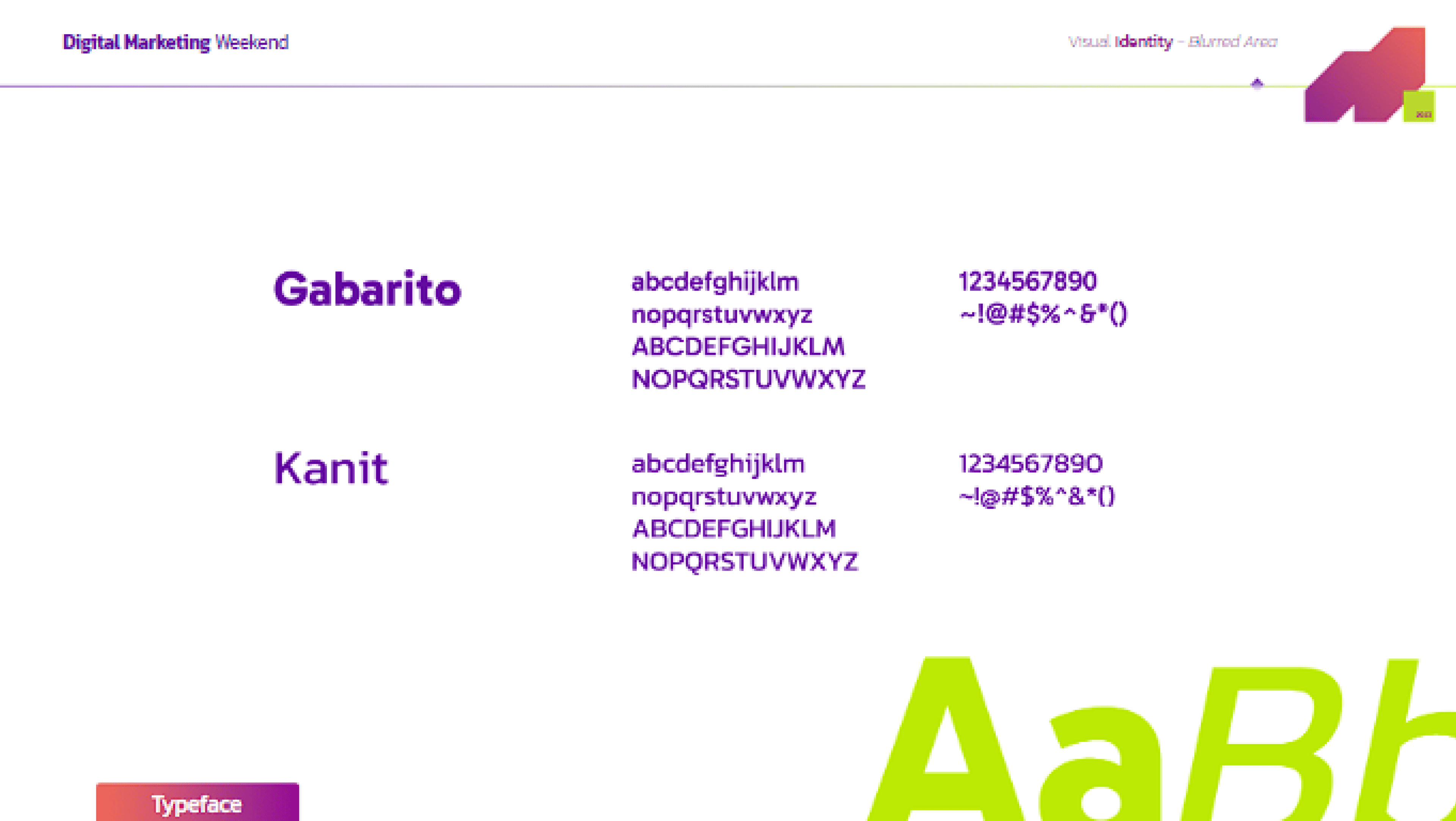
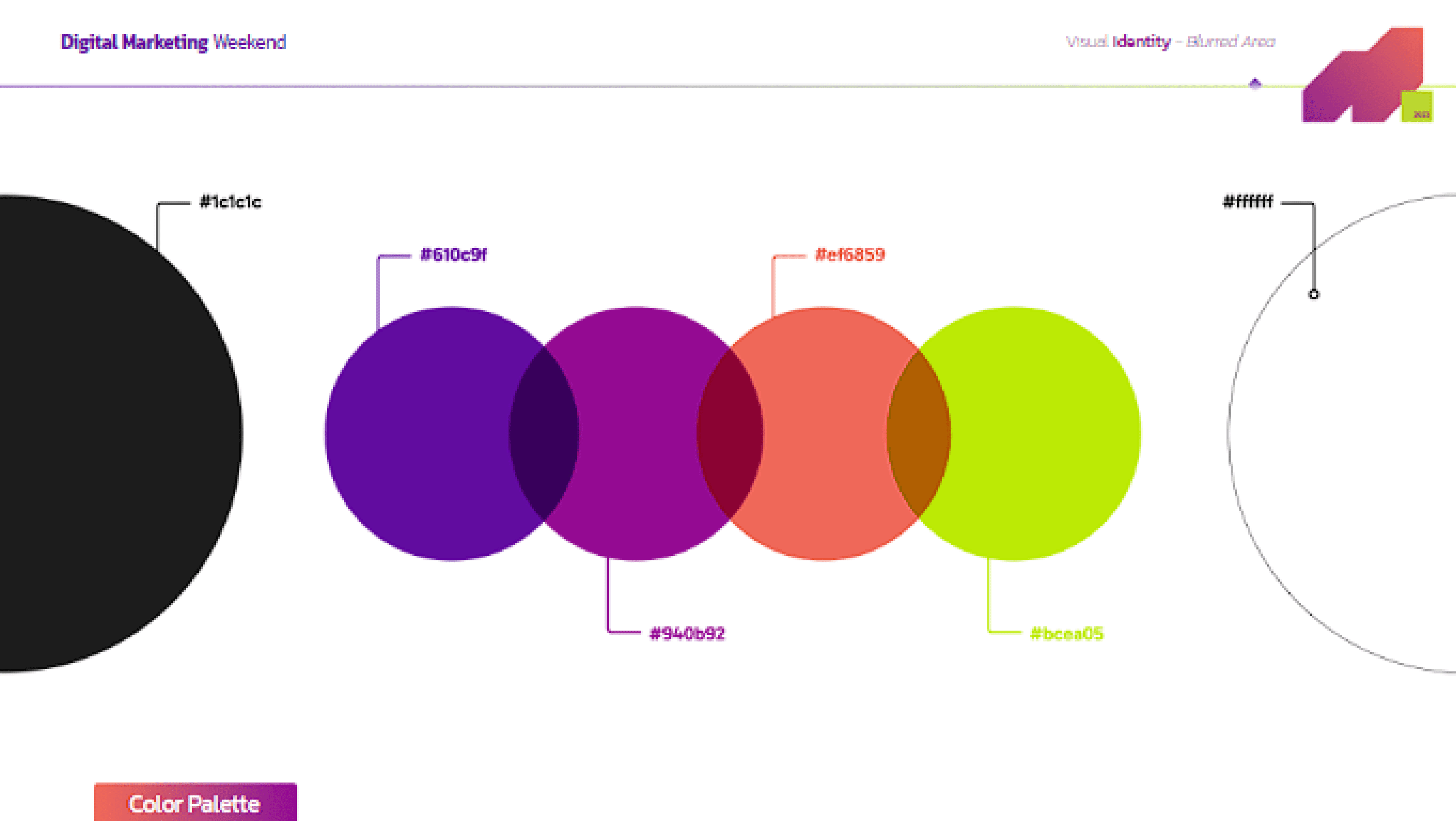
Collaborative brainstorming sessions were held with the client and the internal team to refine ideas. These sessions were pivotal in determining the key features of the site, such as the registration flow, payment gateway integration, and content layout. We also explored different visual styles and color schemes to maintain brand consistency while appealing to a diverse audience. This is the result of brand style.
5. Wireframing:
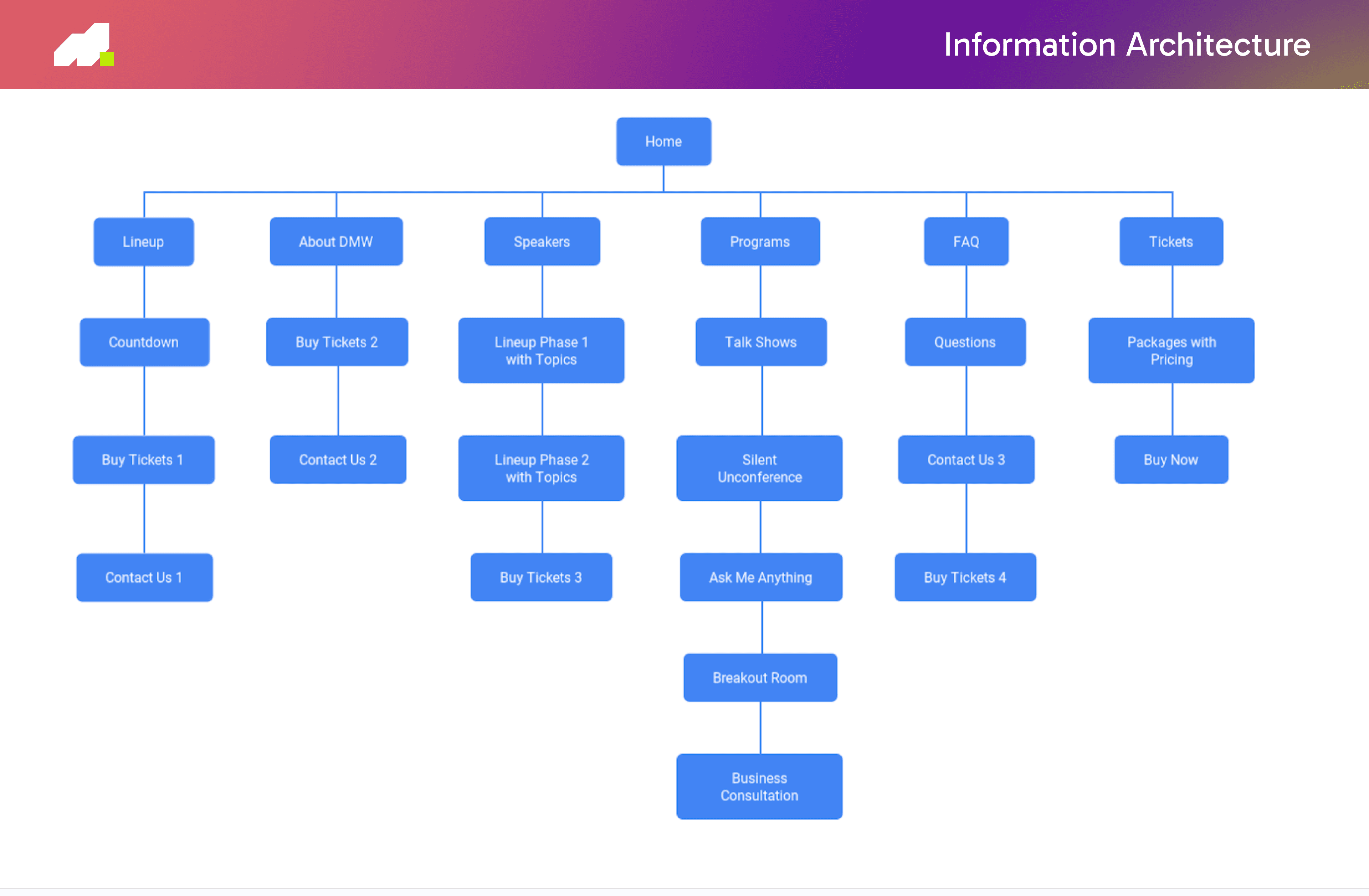
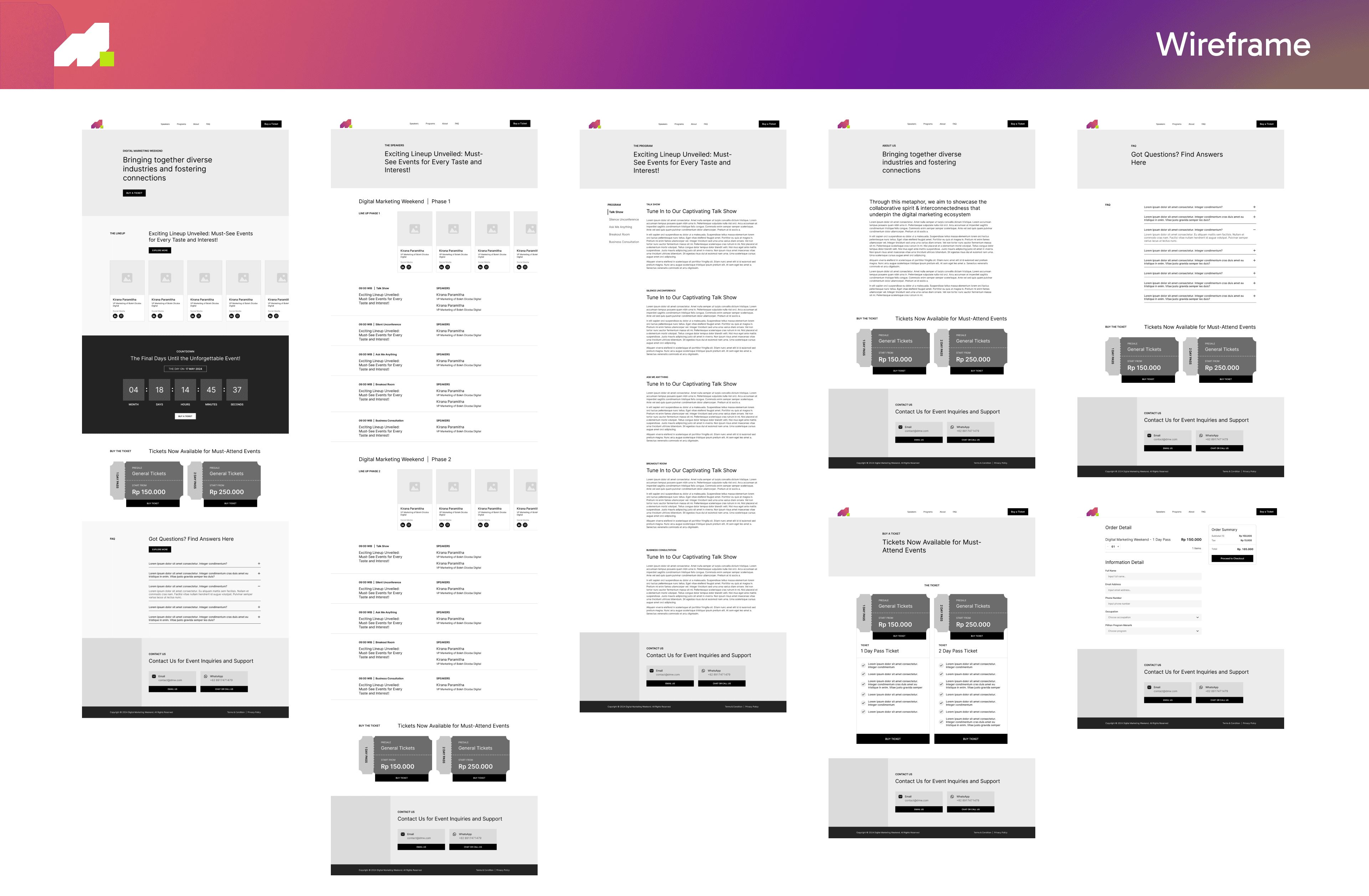
The wireframing stage focused on creating a clear, logical structure for the website. Low-fidelity wireframes were developed to outline the user journey, with special attention to the registration and payment processes. This step was crucial in defining the layout, information architecture, and key interaction points, ensuring that the website would meet both user and business needs.
6. High Fidelity:
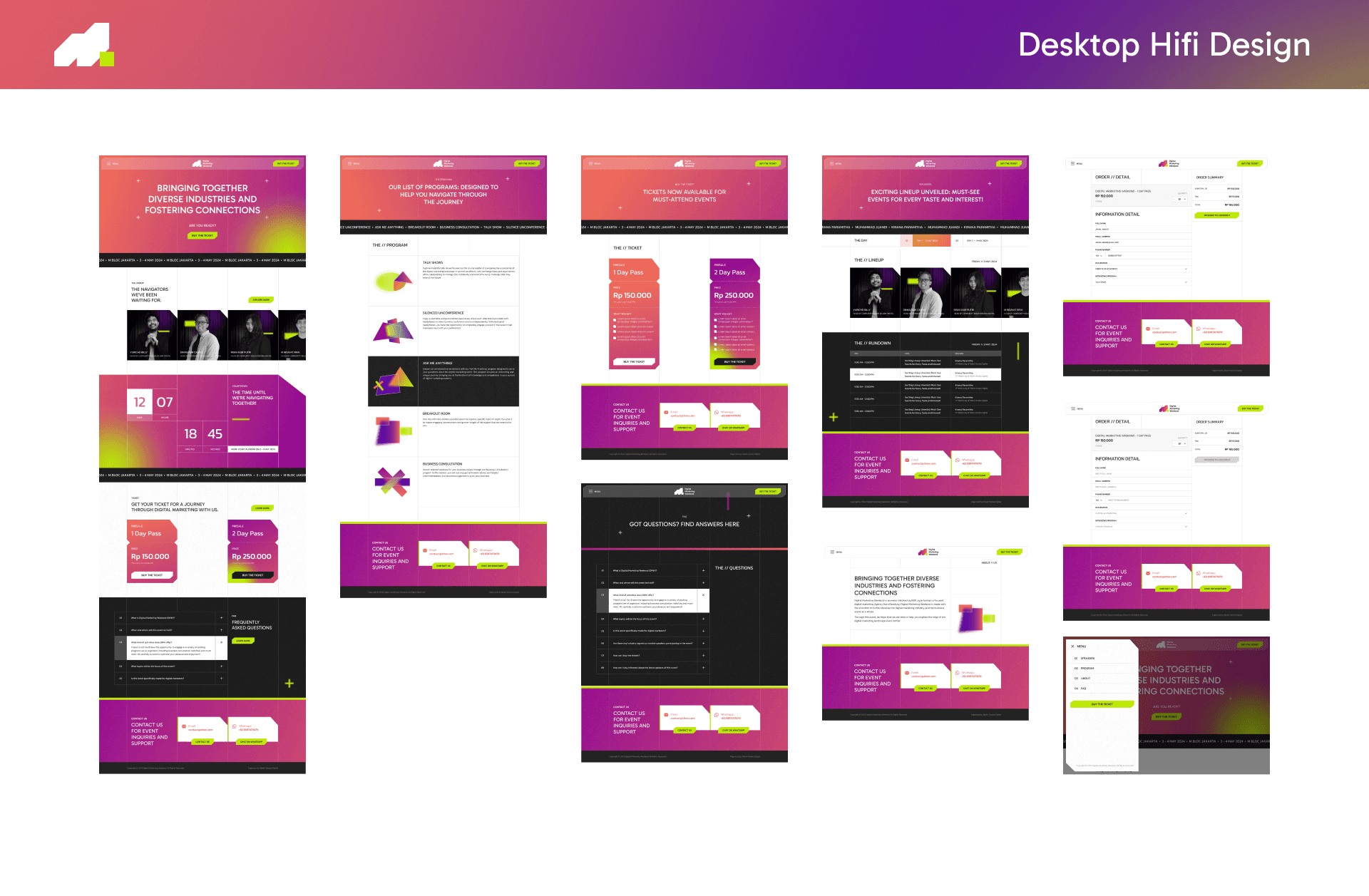
In this phase, we translated wireframes into high-fidelity designs, incorporating branding elements, typography, and color schemes. The high-fidelity prototypes provided a realistic view of the final product, allowing stakeholders to visualize the user experience. We iterated on these designs based on feedback, ensuring that every detail was aligned with the project’s goals.
7. Responsive Mobile:
With a significant portion of users expected to access the site via mobile, we prioritized responsive design. The website was designed and tested across multiple devices and screen sizes to ensure optimal performance. The mobile design maintained the same level of functionality and visual appeal as the desktop version, contributing to a smooth user experience. This focus on mobile responsiveness was validated by metrics showing that 60% of registrations were completed on mobile devices.